Poultry Meal Sourcing Guide: Global Supply Chain Insights for B2B Buyers
Understanding Poultry Meal and Its Commercial Importance
Poultry meal is a rendered product produced from clean poultry tissues, including meat, skin, and bones, excluding feathers except in unavoidable amounts. It is widely used as a concentrated protein ingredient in animal nutrition because of its high digestibility and nutrient density.
Poultry Meal as a High-Protein Feed Ingredient
According to the Association of American Feed Control Officials, poultry meal is recognized as an important feed ingredient due to its consistent protein content and nutritional value. The rendering process converts poultry by-products into stable ingredients that can be stored and transported efficiently.
The increasing global demand for protein production in livestock and aquaculture has elevated the importance of poultry meal as an alternative to traditional protein sources such as fish meal and soybean meal. Feed producers often use poultry meal to improve feed formulations while managing costs.
Its commercial significance also stems from the circular economy benefits of converting poultry processing by-products into valuable feed ingredients, reducing waste and supporting sustainable agricultural production systems.
Industrial Applications Driving Poultry Meal Demand
Poultry meal serves a broad range of applications across the animal nutrition industry due to its high protein and energy content. It is particularly valuable in feeds requiring concentrated amino acids and digestible nutrients.
Applications Across Feed Industries
According to the Food and Agriculture Organization of the United Nations, animal protein ingredients continue to play an essential role in supporting livestock productivity and feed efficiency. Poultry meal is commonly incorporated into pet food, aquaculture feed, swine feed, and specialty livestock formulations.
The pet food industry has become one of the fastest-growing consumers of poultry meal because manufacturers seek protein-rich ingredients that support premium nutrition formulations. Similarly, aquaculture producers increasingly use poultry meal as a partial substitute for fish meal.
The expansion of global meat production and rising demand for high-quality feed ingredients continue to create new commercial opportunities for poultry meal manufacturers and traders.
Global Market Trends and Supply Chain Dynamics
The poultry meal market is heavily influenced by global meat production, feed demand, and the availability of poultry processing by-products. Supply and demand conditions can vary significantly by region.
Factors Influencing Supply and Pricing
Market analysis published by major agricultural research organizations indicates that rising poultry production in Asia and Latin America is increasing the availability of rendered poultry ingredients. Meanwhile, demand growth in aquaculture and pet food sectors is supporting long-term market expansion.
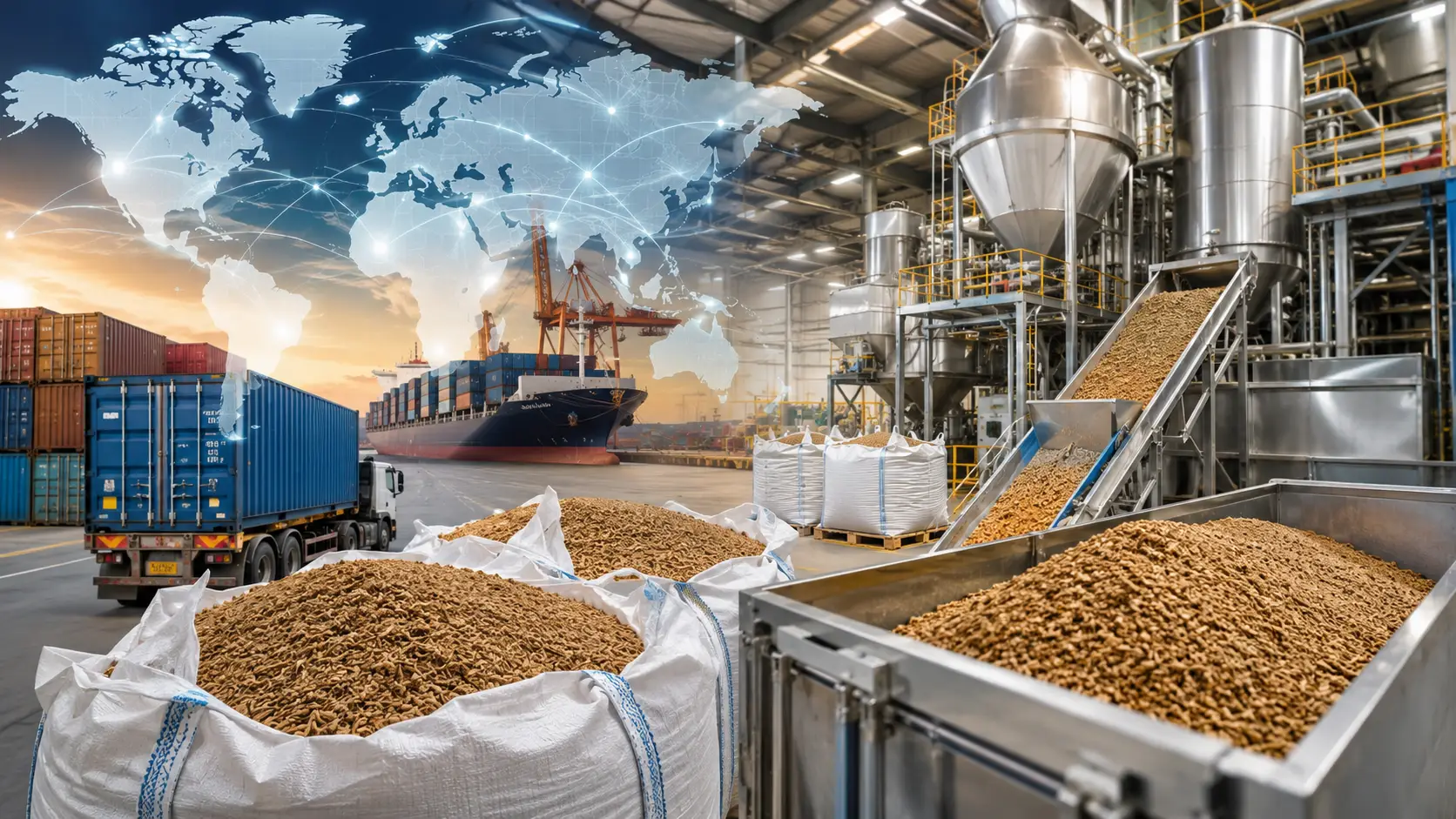
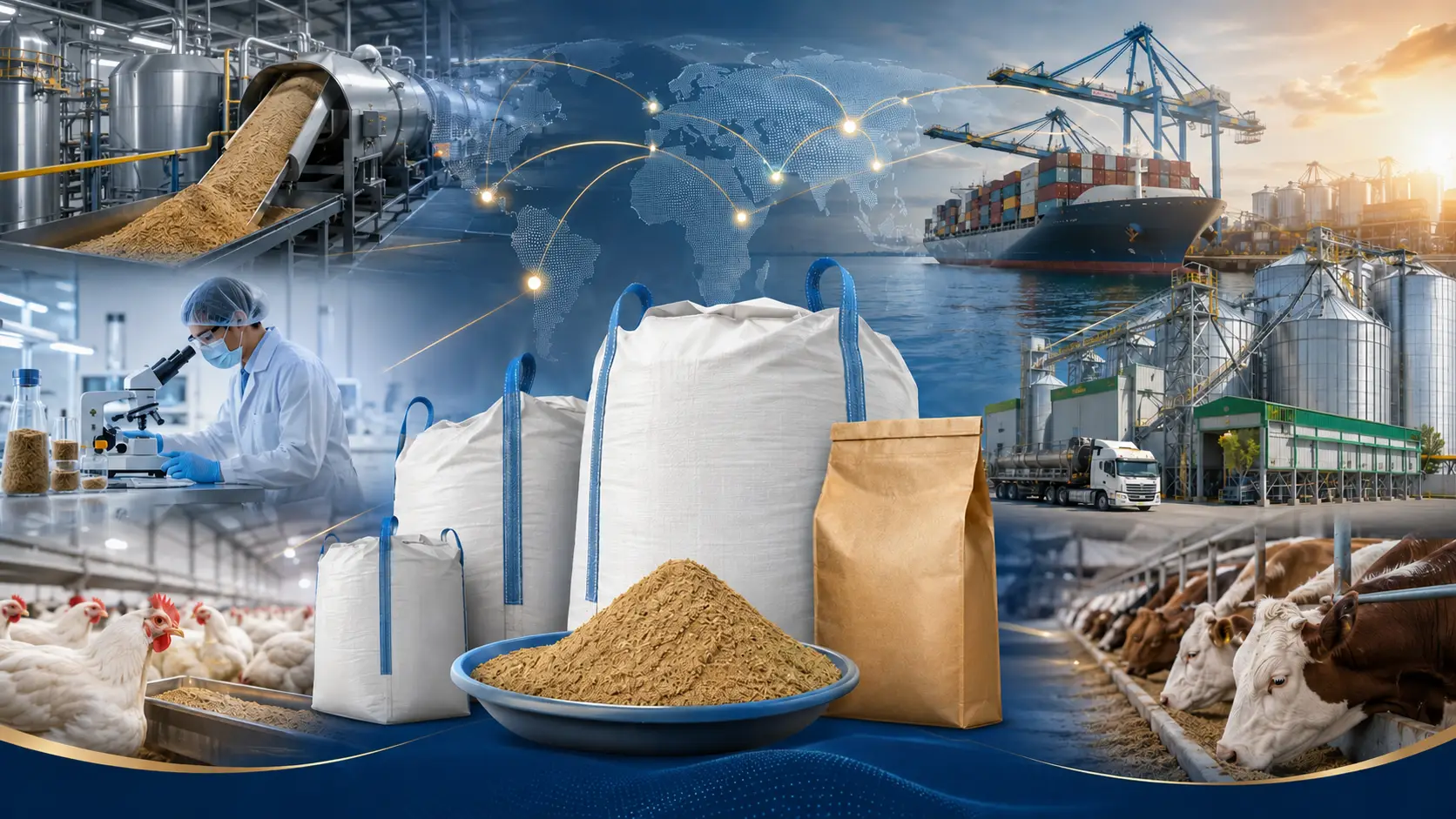
Supply chains for poultry meal involve poultry processors, rendering facilities, traders, distributors, and feed manufacturers. Transportation costs, disease outbreaks, and regulatory changes can influence product availability and pricing.
Global buyers increasingly seek suppliers capable of providing consistent quality specifications, traceability documentation, and reliable delivery schedules, making supply chain management a critical competitive factor.
Key Buyer Groups and Procurement Considerations
Poultry meal is primarily purchased by businesses that require high-protein ingredients for feed production. Procurement decisions often involve both nutritional and commercial evaluations.
Buyer Intent in the Poultry Meal Market
According to industry information from the American Feed Industry Association, feed ingredient buyers increasingly focus on supply reliability, nutritional consistency, and sustainability credentials.
Typical buyers include animal feed manufacturers, pet food producers, aquaculture companies, livestock integrators, and international distributors. Procurement teams commonly evaluate protein content, fat levels, ash composition, microbiological safety, and regulatory compliance before purchasing.
Buyers frequently compare multiple suppliers to minimize supply risks and secure competitive pricing. Product pages within B2B marketplaces support sourcing decisions by providing specifications, documentation, and supplier information in a centralized environment.
The growing emphasis on traceability and sustainable sourcing has also increased demand for suppliers that can demonstrate responsible production practices and quality assurance systems.
How to Source Poultry Meal in the Global Market
Effective sourcing strategies require buyers to evaluate both commercial and technical aspects of poultry meal procurement. Global trade in feed ingredients has become increasingly sophisticated and data-driven.
Building a Reliable Supply Strategy
According to agricultural trade reports from the United States Department of Agriculture, feed manufacturers continue diversifying sourcing strategies to reduce supply disruptions and improve procurement efficiency.
B2B buyers often assess supplier manufacturing capabilities, product consistency, export experience, and logistics performance before establishing long-term supply agreements. Documentation such as certificates of analysis and quality certifications also influences supplier selection.
International procurement teams increasingly use digital B2B marketplaces to compare suppliers, request quotations, and identify new sourcing opportunities across multiple regions.
A diversified sourcing strategy allows buyers to secure stable supply while adapting to changing market conditions and fluctuations in feed ingredient prices.
Future Opportunities for Poultry Meal Suppliers and Buyers
The long-term outlook for poultry meal remains positive due to rising global demand for animal protein and the need for cost-effective feed ingredients.
Emerging Growth Drivers
Market research from various agricultural institutions suggests that growth in aquaculture, premium pet food, and livestock production will continue supporting demand for rendered protein ingredients over the coming decade.
Sustainability initiatives are also encouraging the utilization of animal by-products as part of circular economy strategies. Poultry meal fits well within these initiatives because it transforms processing residues into valuable nutritional products.
Emerging markets in Asia, Africa, and Latin America are expected to generate new opportunities for suppliers and distributors seeking to expand their international presence.
For B2B buyers, maintaining access to reliable poultry meal suppliers will remain an important component of feed procurement strategies as demand for efficient and sustainable animal nutrition solutions continues to increase.
Sources
Association of American Feed Control Officials (AAFCO)
Food and Agriculture Organization of the United Nations (FAO)
United States Department of Agriculture (USDA)
Leave a Comment